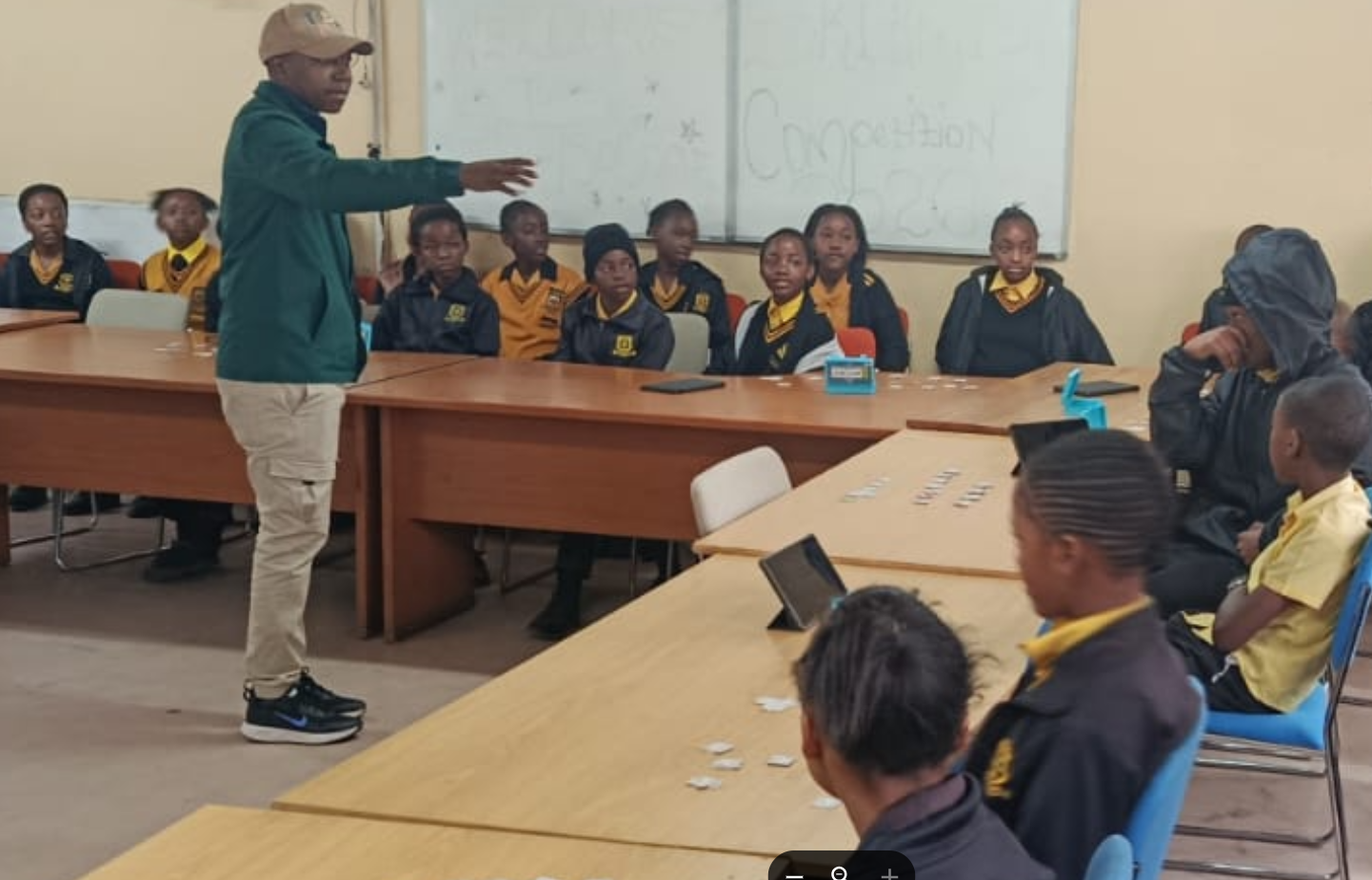
The 2026 #Code4Mandela (C4M) Challenge has come to a close, marking an important chapter in United Siyafunda NPC’s commitment to making coding and robotics, computational thinking and STEAM education more accessible to young people across South Africa.
What began as a coding challenge grew into a wider movement, connecting schools, community centres, libraries, educators, coaches, partners and young innovators through technology, problem-solving and collaboration.
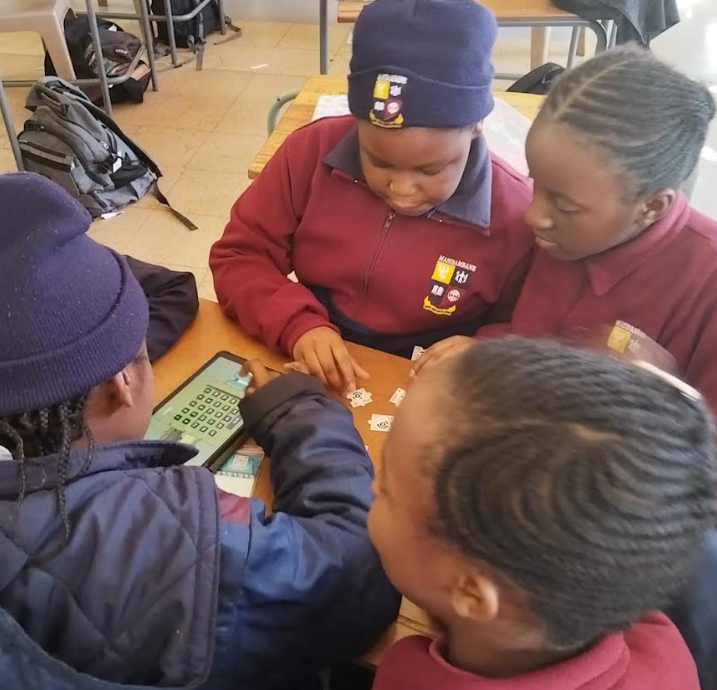
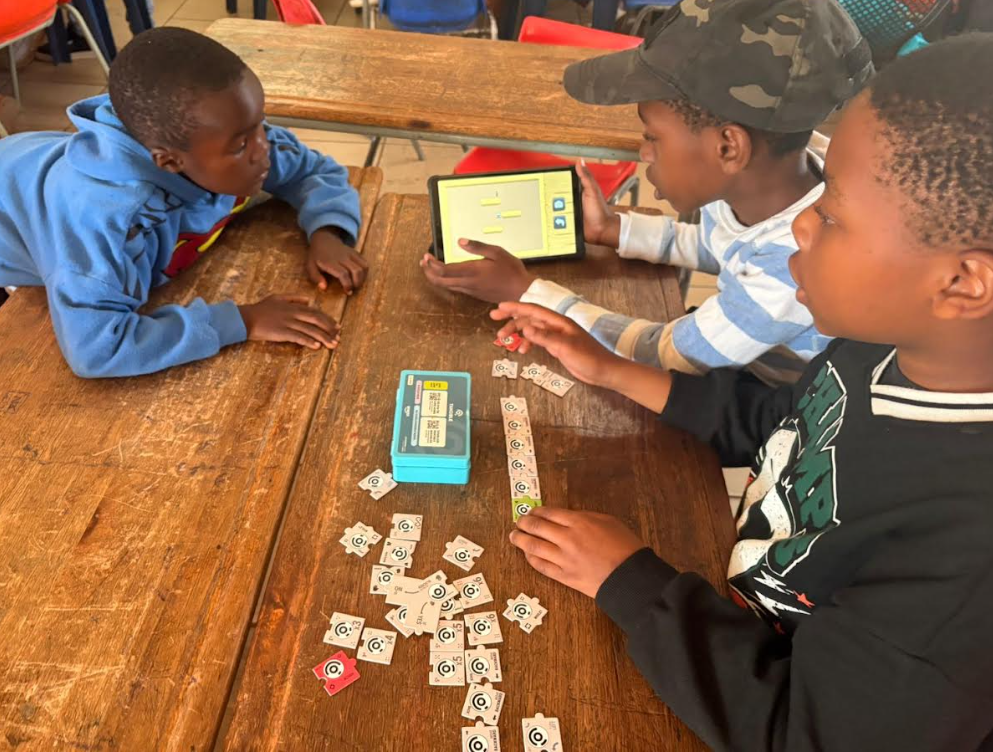
Facilitated by United Siyafunda NPC in partnership with Tangible Africa, the C4M Challenge provided learners with opportunities to develop computational thinking, creativity, logical reasoning, teamwork and problem-solving skills through practical coding activities.
The 2026 C4M Challenge reached learners across several communities in Gauteng, with activities taking place through both the School Tier and Community Tier.
The programme's impact extended across Soweto, Tembisa, Poortjie and Alexandra, with each community contributing to the overall C4M journey in its own way.
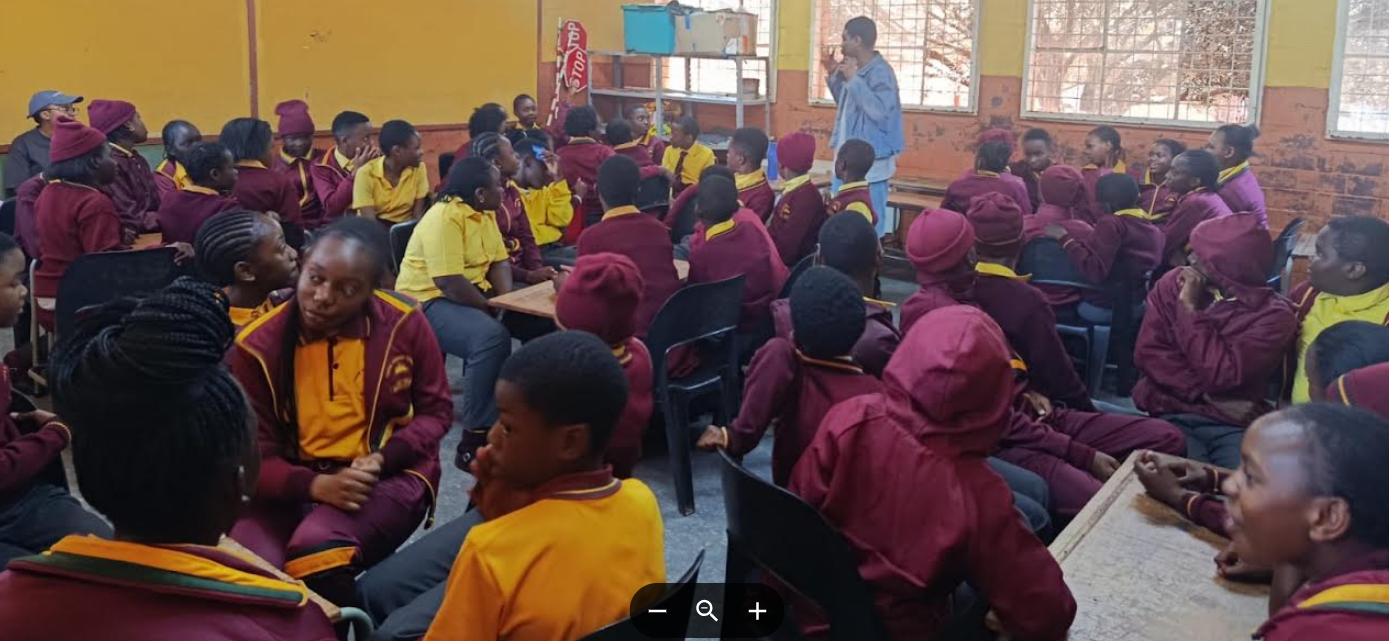
Soweto: Schools and Community OrganisationsSoweto was an important part of the C4M Challenge, with the programme reaching learners through schools and community organisations.
The participating schools included:
Kelekitso Comprehensive School
Tiakeni Primary School
The C4M programme also extended into community spaces through:
SAAYC
Atlegang Bana Foundation
These engagements created opportunities for learners to participate in coding activities outside the traditional classroom environment.
The experience in Soweto demonstrated how schools and community organisations can work together to introduce young people to computational thinking and technology.
For learners, the activities provided opportunities to solve problems, work together and engage with coding in a practical and enjoyable way.
Tembisa: Bringing Coding to Primary School LearnersThe C4M Challenge also reached Tembisa, with activities taking place at:
Kaalfontein Primary School
PS Tsosane
The participation of primary school learners highlighted the importance of introducing computational thinking at an early age.
Through practical coding activities, learners were encouraged to develop logical thinking, creativity and problem-solving skills while working together with their peers.
The Tembisa engagements formed part of the wider C4M goal of ensuring that young people from different communities have the opportunity to experience coding and technology.
Poortjie: Connecting Schools and Community LearningPoortjie was another significant part of the C4M journey.
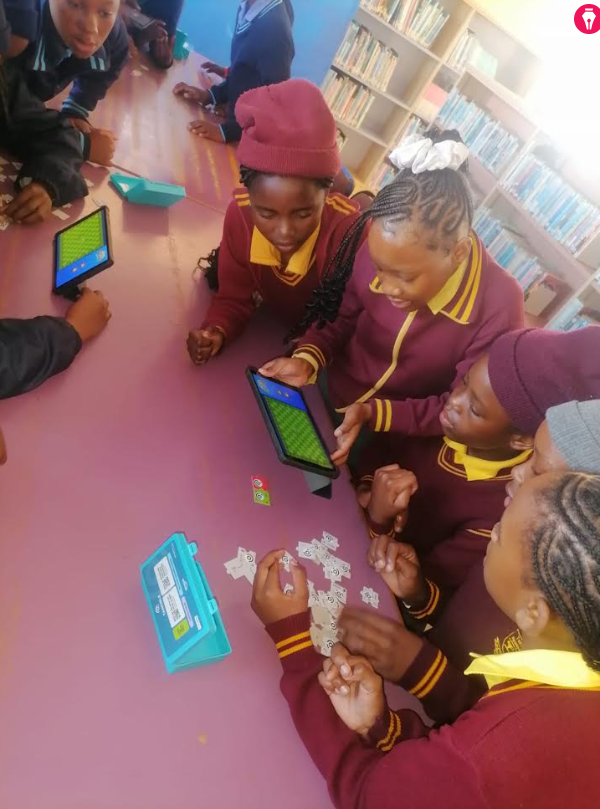
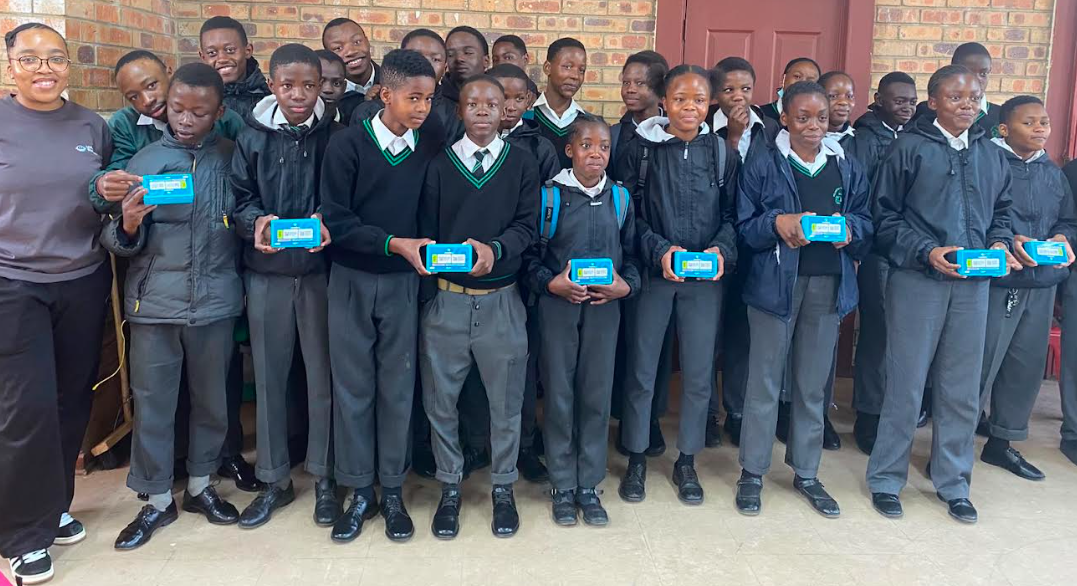
The programme reached Masimbamani College, as well as the local community library, creating opportunities for learners to participate in both a school environment and a community learning space.
The involvement of the library was particularly important because it demonstrated how existing community facilities can become spaces for digital learning and innovation.
The Poortjie activities helped bring coding closer to learners and showed that STEAM opportunities can be created within the community itself.
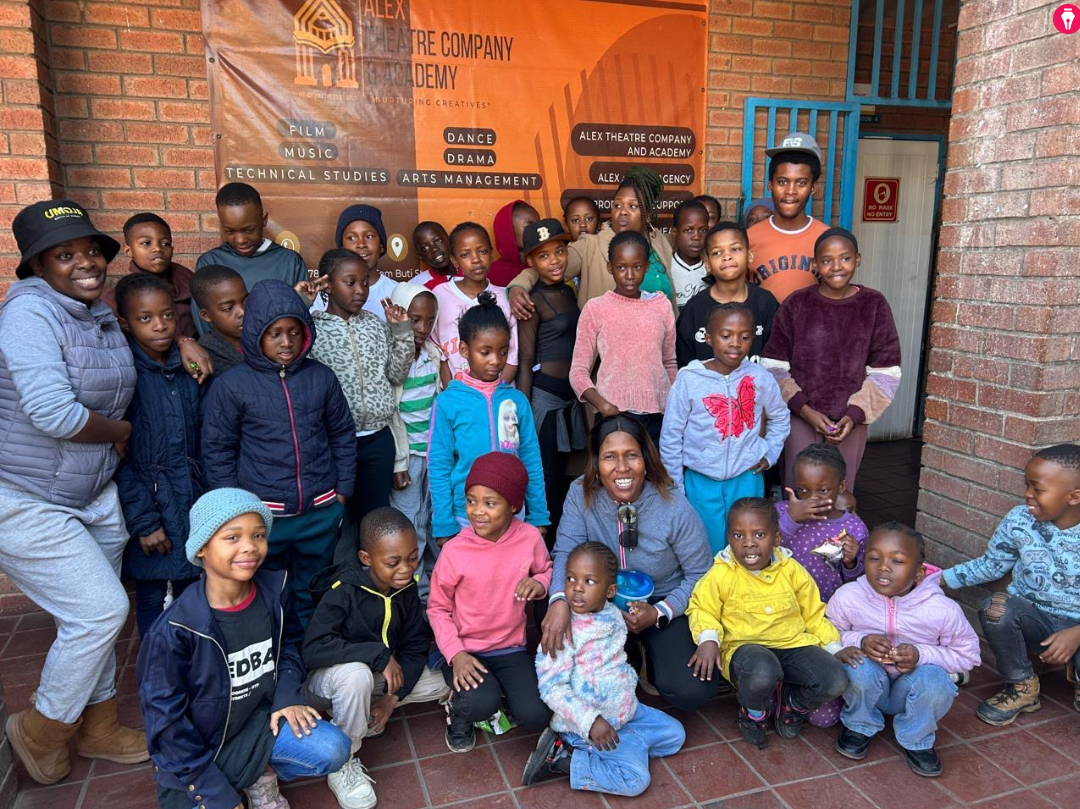
Alexandra: Community Engagement and AccessThe C4M journey also extended into the Alexandra community.
The Alexandra engagement formed part of United Siyafunda's wider commitment to increasing access to technology, coding and STEAM opportunities for young people.
The community activities created another platform for learners to engage with coding, teamwork and problem-solving while becoming more familiar with technology and innovation.
The Alexandra community also formed part of the organisation's wider youth-development activities, including exposure to technology and career opportunities.
More Than a Coding CompetitionAlthough C4M was structured around a challenge, its impact went beyond competition.
The programme gave learners opportunities to develop important skills, including:
Computational thinking
Problem-solving
Logical reasoning
Creativity
Teamwork
Communication
Critical thinking
Confidence
Digital literacy
Learners were encouraged to approach problems differently, collaborate with their peers and learn through practical experience.
For many participants, C4M provided an opportunity to experience coding and computational thinking in an environment that was engaging, hands-on and accessible.
Schools and Communities Working TogetherOne of the strongest elements of the 2026 C4M Challenge was the combination of schools and community spaces.
The programme demonstrated that digital education does not have to take place exclusively inside a computer laboratory.
By working with schools, community centres and libraries, United Siyafunda was able to bring coding activities closer to the communities it serves.
The C4M journey therefore became a demonstration of what can happen when education, community development and technology come together.
The People Behind the ChallengeThe implementation of C4M was made possible through the dedication of United Siyafunda's coaches, technical team, marketing team, interns, educators, volunteers and leadership.
The coaches played an important role in supporting learners throughout the activities, helping them understand the coding challenges and encouraging them to work together.
The partnership with Tangible Africa also provided an important foundation for the challenge, supporting the use of practical coding activities to introduce computational thinking to learners.
Schools, community centres and libraries opened their spaces and welcomed the programme, while partners and supporters contributed to making the wider initiative possible.
Creating Opportunities Through CodingThe C4M Challenge demonstrated that coding can be much more than learning how to programme.
It can help young people learn how to think, collaborate, experiment, solve problems and create.
By reaching learners at both primary and secondary school level and extending activities into community spaces, the programme created multiple entry points into the world of technology.
The experience also reinforced United Siyafunda's wider STEAM mission: to ensure that young people are not only consumers of technology, but also develop the skills and confidence to become future creators and innovators.
C4M 2026: The Impact at a GlanceThe 2026 C4M Challenge reached a range of schools and community spaces across Gauteng:
Community
Schools / Community Spaces
Soweto
Kelekitso Comprehensive School, Tiakeni Primary School, SAAYC, Atlegang Bana Foundation
Tembisa
Kaalfontein Primary School, PS Tsosane
Poortjie
Masimbamani College, Community Library
Alexandra
Alexandra Community
Each location brought its own learners, educators and community members into the C4M experience, contributing to one collective journey centred on coding, learning and innovation.
Looking Back, Moving ForwardAs the 2026 #Code4Mandela Challenge comes to an end, United Siyafunda NPC can look back on a journey that connected schools, communities and young people through technology.
From the classrooms of Kelekitso Comprehensive School, Tiakeni Primary School, Kaalfontein Primary School, PS Tsosane and Masimbamani College to community spaces such as SAAYC, Atlegang Bana Foundation, the Poortjie Community Library and the Alexandra community, C4M created opportunities for learners to engage with coding in meaningful ways.
The challenge was not simply about who could complete a coding activity the fastest. It was about creating access, encouraging curiosity and showing learners that they have the potential to engage with technology and innovation.
The C4M Challenge may have reached its conclusion, but its impact continues through every learner who discovered something new, every coach who supported them, every educator who opened their classroom and every community that embraced the programme.
The challenge is over. The impact continues.