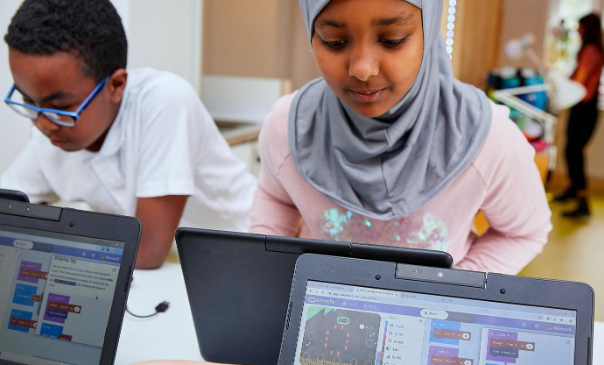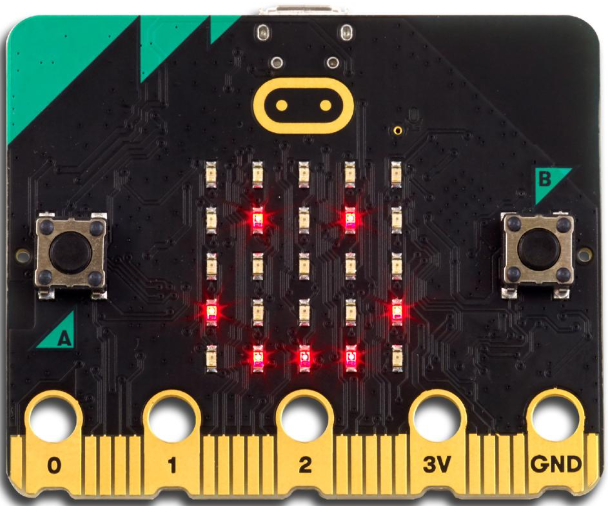
Inspired by the BBC Micro’s legacy, the BBC launched its Make It Digital initiative in 2015, partnering with 29 organisations to create a pocket-sized computer for use in schools. In March 2016, approximately one million micro:bits began reaching children in the UK, encouraging them to learn programming by creating technology.
There is a very strong case for describing the BBC micro:bit as one of the most important devices ever introduced for teaching computing in schools. Whether it is the most important is a matter of judgement, because devices such as the BBC Micro, the personal computer and the Raspberry Pi have also played significant roles in computing education.
What makes the micro:bit exceptional is that it has helped make programming tangible, accessible and creative for millions of young people. It bridges the gap between writing code on a screen and using that code to interact with the physical world.
Why the micro:bit has made such a difference1. It makes code come alive
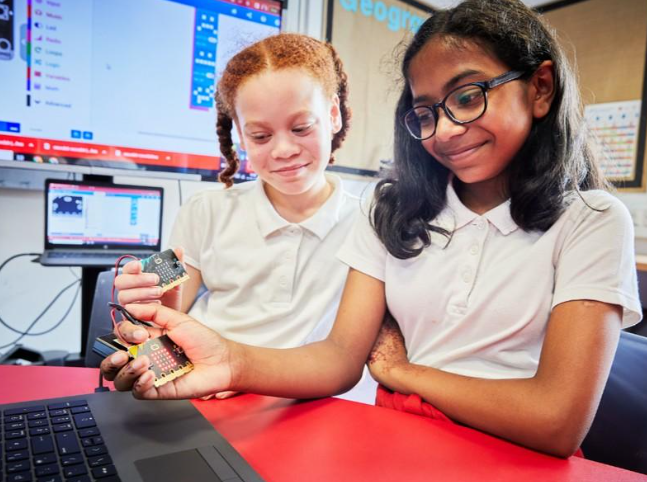
Pupils can write a few lines of code and immediately see the results on the LEDs, hear sounds, measure movement or control external devices. Programming becomes something they can see, touch and experiment with, rather than an abstract exercise.
2. It lowers the barriers to learning
Beginners can start with block-based programming and progress to Python. The device supports a wide range of ages and abilities, allowing pupils to develop confidence before tackling more complex concepts.
3. It connects computing with the real world
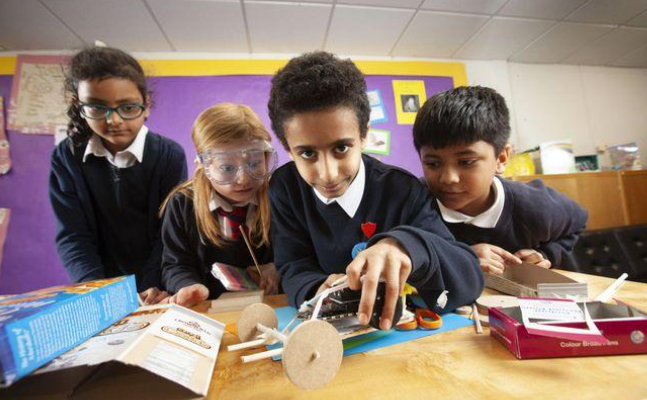
With sensors, radio communication and robotics extensions, pupils can build alarms, data loggers, environmental monitors and autonomous vehicles. This provides a natural route into STEM and project-based learning.
4. It has achieved international reach
The Micro:bit Educational Foundation reported in December 2025 that 70 million young people had benefited from learning with the micro:bit, with 11.5 million devices distributed across more than 85 countries.
What does the evidence say?The educational impact is more than anecdotal. Research published by the Foundation reports that, in its UK primary-school programme, 88% of participating pupils said computing and technology was more enjoyable than other subjects, while 87% of teachers who recalled the training resources said their confidence in teaching computing had increased. These are encouraging findings, although they do not establish that the micro:bit alone caused every improvement.
ConclusionThe micro:bit's greatest achievement may not be its hardware at all. It is the way the device has helped change perceptions of computing: from a subject in which pupils learn to use technology to one in which they learn to create it.
The BBC Micro helped pioneer this approach in the 1980s. The Raspberry Pi subsequently made affordable, general-purpose computing more accessible. The micro:bit has taken the idea further by combining simplicity, physical interaction, accessible programming tools and worldwide educational partnerships.
So, is the micro:bit the most important device ever created for computing education? It is certainly a strong contender, particularly for introducing children to programming and physical computing. Its real significance lies in what teachers enable pupils to do with it, rather than in the device itself.